


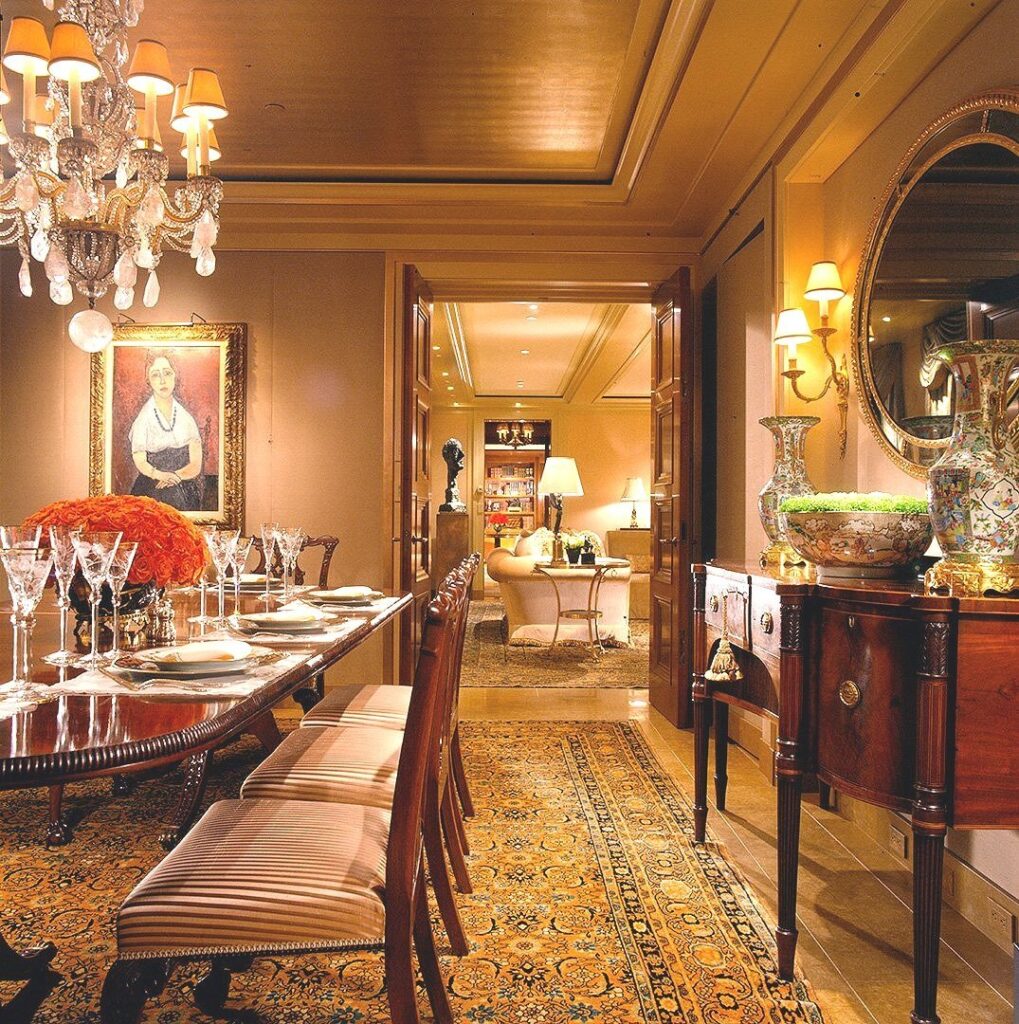
What if the most luxurious detail in your office isn’t the desk, but how naturally the room supports your day? A beautiful workspace can still feel uncomfortable or disconnected from the rest of the home if it’s planned around appearances alone. Thoughtful luxury home office design starts with your work routines, then brings comfort, elegance, and the home’s architecture into harmony.
In this guide, you’ll find practical ways to plan a focused, comfortable office, from lighting and storage to work zones and materials. You’ll also learn how to connect the space to your larger interior and when a project may call for professional design and remodeling. For a visual perspective on residential design, explore Donna Livingston Design’s work and services.
Key Takeaways
- Start your luxury home office design plan with your work patterns, equipment, calls, storage needs, and household routines.
- Consider layout, daylight, task lighting, comfort, and a calm video-call background to support your workday.
- Use your home’s architectural details and adjoining spaces to guide an office that feels cohesive, not separate from the rest of the interior.
- When changes reach beyond furnishings and finishes, consider a coordinated remodeling plan that addresses the office and its surrounding spaces.
Luxury Home Office Design Starts With How You Work
A composed, comfortable office should do more than look polished. It should make your workday feel easier, with essential tools close at hand, distractions considered, and finishes that belong in your home. Begin with your habits rather than choosing furniture in isolation.
Make a short inventory of what the room needs to support: the tasks you do, the equipment and supplies you use, where papers collect, and whether calls require privacy. Note where cables and outlets need to be accessible, too. This practical brief gives each design decision a purpose and connects the room’s appearance to its everyday use, reflecting interior design principles that bring function and aesthetics together.
For a visual prompt, watch What if your home office looked THIS luxurious?
Luxury home office design balances purposeful function with considered beauty, shaped around the way you work and the character of your home. That principle informs Donna Livingston Design’s residential interiors, including full-service design and remodeling for homes.
What should you decide before designing a home office?
Start by mapping your work hours, recurring tasks, equipment, call schedule, and need for privacy. Then decide whether a dedicated room best supports concentration and separation, or whether a flexible workspace is more practical for occasional work or a room shared with other household activities. Neither option is automatically more refined. Choose the arrangement that fits your routines and available space.
Think through household rhythms as well: who uses nearby rooms, how people move through the home, and when quiet matters. This brief will help you assess layout, storage, and privacy before settling on finishes or furniture.
Design a Luxury Home Office for Focus, Comfort, and Beauty
With your work needs defined, plan the layout first, then assess the light, comfort, storage, and finishes. This sequence keeps visual choices grounded in how the office will be used. The psychology of workspace design also considers how lighting, color, and arrangement contribute to a room’s mood.
How can layout, lighting, and materials make a workspace feel considered?
Position the work surface with daylight, circulation, outlets, and screen glare in mind. A desk near a window can make use of natural light, but the angle matters: if reflections land on the screen, adjust the desk or window coverings. Plan for task lighting at the work surface, ambient light throughout the room, and accent lighting where you want a warmer visual effect. Layered lighting can support close work while making the office feel welcoming beyond work hours.
Give comfort and storage the same attention as appearance. Choose seating that feels supportive for the tasks you do, and keep frequently used tools within reach. Place less-used supplies in closed storage to reduce visual clutter. Tactile finishes, such as refined wood or natural textures, can add depth. For video calls, check what appears behind you from your usual seat; art or a few meaningful objects can create a composed background without crowding it.
That balance is central to luxury home office design: practical choices should feel at home alongside beautiful ones. Donna Livingston Design offers full-service residential interior design, including custom architecture integration and remodeling. Learn more about the studio’s residential interior design.

Integrate Luxury Home Office Design With the Rest of the Home
A home office feels intentional when it belongs to the house rather than appearing as an isolated addition. Let existing architectural details, such as trim, proportions, and material character, guide your choices. Consider how adjoining spaces affect privacy and noise, how people move past the office, and whether household routines call for a door that closes or a workspace that remains visually open.
Continuity doesn’t mean matching every room. A related palette, complementary materials, or repeated architectural details can connect the office to nearby spaces while allowing it to retain its own character. If achieving that harmony depends on architectural changes, explore custom architecture interior design as part of a wider design plan.
When does a home office become part of a larger design project?
Furniture, paint, and finish choices may be enough when the room’s layout and architectural features already support its purpose. Broader planning may be worth considering if the project involves changing how rooms connect, adding built-ins, or revising architectural details to improve flow and visual continuity. Because those decisions can affect adjoining spaces, consider the office in the context of the home rather than as a standalone room.
Donna Livingston Design provides full-service luxury residential interior design and remodeling, including custom architecture integration. If your office project extends into adjoining rooms or involves substantial changes, learn more about high-end home remodeling services.
Shape a Workspace That Belongs to Your Home
A thoughtful luxury home office design begins with the way you work, then brings comfort, considered lighting, and the character of your home into the plan. Let daily routines guide the layout, and choose materials and storage that support focus without making the room feel separate from the rest of the interior. When a project involves architectural details or changes beyond the room itself, a coordinated approach can help connect each decision.
Donna Livingston Design provides full-service luxury residential interior design and remodeling, including custom architecture integration. When your plans reach beyond a furniture refresh, explore the studio’s full-service residential design.
Your office can be both a beautiful expression of home and a place where work feels more comfortable and focused. Begin with what your day requires, then let each design choice serve that vision.
Frequently Asked Questions
How do you make a home office look luxurious?
Pair purposeful choices with a restrained, cohesive visual palette. Select finishes that complement the home, organize frequently used items, and leave space for art or meaningful objects to stand out. Comfort matters as much as appearance: a room can look polished but still feel frustrating if the lighting, seating, or storage doesn’t suit the work you do. Effective glare and daylight control play a key role in everyday comfort, and those seeking sleek, custom window coverings can buy roller blinds online australia to seamlessly integrate practical shading into their workspace.
What is the most important feature of a home office?
The most important feature is a layout that supports the way you work. Consider whether you need space for extended computer sessions, calls, reference materials, or focused writing, then arrange the work surface and storage around those tasks. Check that lighting and outlets work with the planned arrangement. A beautiful room is less successful if essential functions feel inconvenient.
Can a home office be part of a larger remodeling project?
Yes. A home office can be included in a broader remodeling project when its design involves changes to room relationships, built-ins, or architectural details. Planning the office alongside adjoining spaces can help maintain continuity and account for household circulation. Donna Livingston Design provides full-service luxury residential interior design and remodeling, including custom architecture integration.
How can I make a home office feel connected to the rest of my home?
Echo selected materials, architectural details, or colors from nearby rooms while giving the office its own clear purpose. Consider how doors, sightlines, and everyday movement connect the spaces, and avoid finishes that feel unrelated to the home’s character. To discuss a full-service design or remodeling project, contact Donna Livingston Design through its website.
