


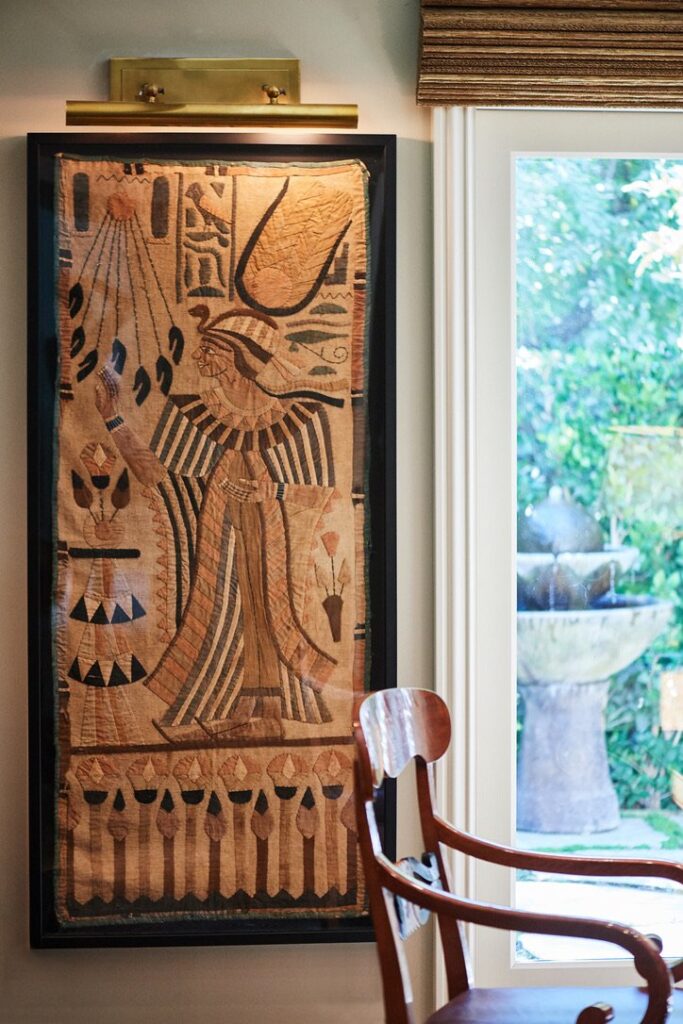
What if Americana feels most authentic when it doesn’t announce itself? The style can evoke a strong sense of history, but red, white, and blue motifs aren’t the only way to express it. Thoughtful design Americana draws on craftsmanship, meaningful objects, and a sense of home shaped over time.
If you’re unsure which historical references belong together, or how to keep a room from feeling themed, start with the architecture and the way you use the space. This guide explores how to bring Americana influences together through color, materials, and collected details that suit contemporary life, with practical ways to assess, edit, and arrange what you already have.
Donna Livingston Design connects architecture, furnishings, and daily use through full-service luxury residential design and remodeling. The studio serves clients nationally, and its work can be explored on Instagram at @donnalivingstondesignla.
Key Takeaways
- Think of design Americana as a flexible design language shaped by heritage and personal collecting, not a requirement to use patriotic motifs.
- Start with your home’s architecture and existing pieces, then balance natural materials, layered textiles, restrained color, and meaningful objects.
- Build a cohesive room by assessing what you have, choosing a few historical references, editing thoughtfully, and checking that the space still works for everyday life.
- For a perspective on connecting architecture, furnishings, and daily living, explore Donna Livingston Design on Instagram at @donnalivingstondesignla.
What Does Design Americana Mean in a Refined Home?
Design Americana is a flexible design language that brings American history, skilled making, and personal collecting into a home shaped for contemporary comfort. Its references might include timeworn wood, a hand-stitched quilt, folk art, or architectural details, but no single object defines the style. The Americana tradition spans cultural artifacts, history, folklore, and nostalgia, offering a broad source of inspiration rather than a fixed decorating formula.
Flags and red, white, and blue can be part of the story, but they’re optional. A room may feel rooted in heritage through its materials, craftsmanship, and meaningful objects, without relying on patriotic motifs. The measure is not how many historical references appear, but whether they work together and support a welcoming, functional interior.
For another perspective on the style, watch this video:
How Is Heritage-Led Design Different From a Patriotic Theme?
A patriotic theme often depends on recognizable symbols used mainly for visual effect. Heritage-led design starts with substance: the grain of a well-made wooden piece, the texture of a quilt, or an object connected to family history. These details can carry meaning while contributing to a room’s comfort and use.
Colonial, Federal, or Craftsman references may guide proportions, millwork, or furnishings without dictating every choice. There’s no single universally authentic version of Americana; thoughtful selection matters more than strict imitation. Donna Livingston Design provides full-service residential design and remodeling, bringing architecture, furnishings, and daily life into consideration together. Explore the studio’s work on Instagram at @donnalivingstondesignla.
How to Layer Americana Colors, Materials, and Collected Details
A cohesive room begins with what’s already there. Notice the architecture, from woodwork and flooring to the shape of the windows, then consider how the room needs to function. A living room meant for gathering may call for durable upholstery and comfortable seating; a quieter study might make space for books, artwork, and a well-used desk. These choices establish a practical foundation for design Americana.
What Should You Choose First: Architecture, Palette, or Objects?
Start with fixed details and daily use, not a favorite accessory. Note the colors and finishes that are difficult to change, then choose a restrained palette to bring together varied woods, patterned textiles, antiques, and contemporary furnishings. Soft neutrals can give a worn wood table and a checked throw room to stand out, while muted blue or deep red can appear in a few considered accents. For historical context, Britannica traces the history of the American domestic interior, a useful reminder that interiors reflect changing lives as well as styles.
Layer natural materials with intention: pair wood with woven textures, balance aged finishes against smooth surfaces, and choose textiles that add softness without competing for attention. When deciding what to keep, consider each object’s craftsmanship, personal meaning, or relationship to the home. A useful principle: Edit for harmony, not uniformity; keep the pieces that give a room its character.
For a related but distinct approach to heritage and tailored comfort, explore the Ralph Lauren aesthetic in luxury homes. When architectural decisions, finishes, and furnishings need to work together, a full-service design process can coordinate those choices with everyday function. Learn about luxury residential interior design from Donna Livingston Design, which serves clients nationally. Find the studio on Instagram at @donnalivingstondesignla.

How to Make Design Americana Feel Personal, Cohesive, and Livable
Authenticity doesn’t depend on filling a room with antiques or patriotic motifs. A home can express heritage through a few considered references while leaving space for present-day routines, comfort, and personal taste. To make design Americana feel intentional rather than assembled, move through the room in stages:
- Assess: Note the architecture, what you already own, how the room is used, and what feels out of place. Identify practical needs such as clear walking paths, comfortable seating, and surfaces for everyday items.
- Select: Choose a small group of references that matter to you, perhaps a crafted object, a familiar textile, or a historical detail that complements the home.
- Edit: Remove pieces that compete or repeat the same idea. Keep enough contrast for the room to feel layered, not crowded.
- Review: Look at the whole room from its main entry point. Check that the colors, finishes, and furniture feel connected, and that the space still works for everyday life.
A collected interior should feel as comfortable on an ordinary day as it does in a photograph. The right details add character; clear paths, useful seating, and practical surfaces make the room a pleasure to live in. If a room feels busy, remove one or two competing accents before adding anything new.
When Can a Full-Service Designer Help Bring the Vision Together?
Coordination can be especially helpful when architectural changes, finishes, furnishings, and remodeling decisions affect one another. A full-service approach considers those elements alongside household routines, so heritage details feel integrated rather than applied afterward. This can be useful when a project involves more than choosing decorative objects, such as planning a renovation or connecting custom architecture with interior finishes.
Owned and led by principal designer Donna Livingston, the studio offers full-service residential design and remodeling, including custom architecture integration and high-end kitchen renovations. Explore the studio’s design approach or follow @donnalivingstondesignla for a closer look at its work. The studio serves clients nationally.
Let Heritage Shape a Home That Lives Well
Thoughtful design Americana isn’t about recreating the past. It brings history, craftsmanship, and personally meaningful details into a home that feels comfortable and current. Begin with the architecture and everyday needs, choose a few references that resonate, then edit until materials and furnishings feel connected without losing their character.
When a project calls for architectural changes as well as interior design and remodeling, a coordinated approach can help the home feel considered as a whole. Donna Livingston Design provides full-service luxury residential design and remodeling, integrating custom architecture and interior design. The studio also works on luxury kitchen interiors, where finishes, layout, and daily use need to be considered together.
To discuss a full-service residential design or remodeling project, explore the studio’s design approach. With thoughtful choices, heritage can become part of a home’s everyday comfort, not simply its decoration.
Frequently Asked Questions
What is Americana interior design?
Americana interior design is a flexible approach that draws on American history, craftsmanship, and personal collecting to create a home with warmth and character. It may include traditional architectural details, handmade textiles, folk art, or heirloom pieces. In design Americana, these references are selected to feel meaningful and comfortable, rather than assembled according to a fixed set of rules.
Can Americana design feel modern and sophisticated?
Yes. Pair heritage details with clean-lined furnishings, thoughtful lighting, and a restrained palette to keep a room feeling current. The key is to let craftsmanship and character complement modern comfort, rather than recreate a historical interior. Donna Livingston Design offers full-service residential design that connects custom architecture and interior design.
How do you decorate with Americana style without overdoing it?
Begin by assessing the room’s architecture, existing furnishings, and daily needs. Select a few references that feel personal, then edit anything that competes or repeats the same idea. For example, one vintage textile or crafted wood piece can provide a focal point, while simple surrounding finishes give it space. Review the room as a whole to ensure it feels balanced and livable.
Is Americana interior design limited to red, white, and blue?
No. Those colors are optional, not requirements. Americana can also emerge through natural wood, woven materials, timeworn finishes, and collected objects, with colors chosen to suit the home. Neutrals, warm earth tones, or muted shades can all support a heritage-inspired interior. For examples of layered residential design, visit @donnalivingstondesignla.
