


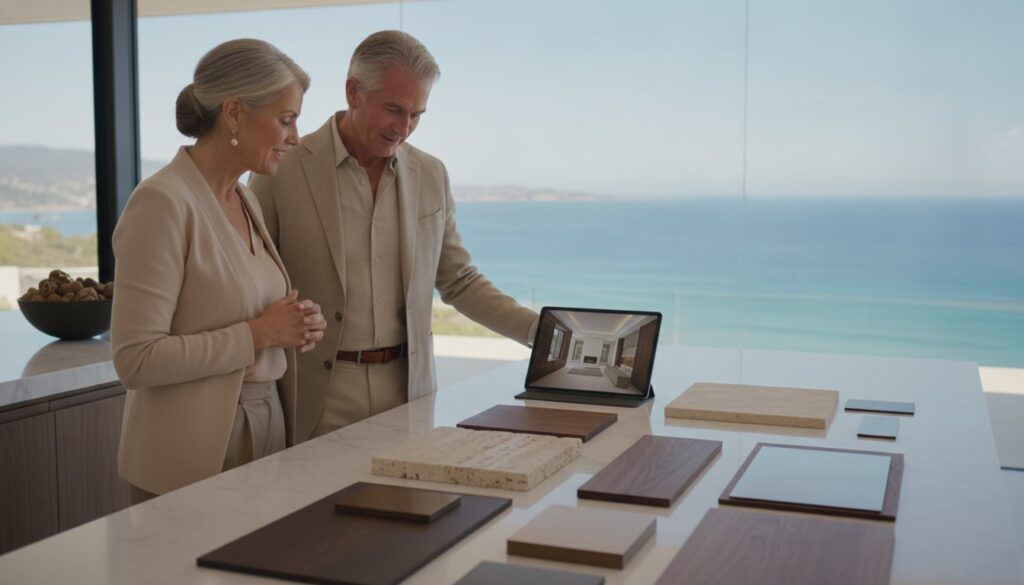
Does your estate reflect a fleeting trend, or does it stand as a permanent testament to your family’s history? As you walk through the halls of a sprawling manor, the difference between a decorated room and a masterfully architected interior becomes immediately clear. Understanding how to find a luxury interior designer who can bridge this gap is the difference between a curated sanctuary and a logistical nightmare. You likely feel the weight of this decision, worrying that a lack of coordination might compromise the architectural integrity of your home or lead to endless delays. It’s a common anxiety when managing high-stakes transformations where every detail must remain perfect.
This article provides a professional framework for vetting an elite partner capable of managing complex, full-scale estate transformations. We’ll explore how to distinguish between a decorator and an architectural designer who can act as your single point of contact. You’ll learn to identify professionals with the technical authority to sign off on construction documents, a critical skill given evolving industry standards and legislative updates. By the end, you’ll have the tools to secure a timeless result that balances high-end aesthetics with the effortless comfort of a true home.
Key Takeaways
- Distinguish between surface-level decoration and comprehensive architectural design to ensure your estate’s structural integrity remains intact during a transformation.
- Master a professional framework for how to find a luxury interior designer who can manage complex mechanical and structural requirements alongside high-end aesthetics.
- Identify the hallmarks of timeless bespoke craftsmanship within a portfolio to ensure your home avoids the pitfalls of fleeting social media trends.
- Discover the essential interview techniques that reveal a designer’s commitment to client discretion and the seamless management of a large-scale project.
- Understand why selecting the right design partner is a critical investment in your home’s lasting value and your family’s daily sense of belonging.
Understanding the Full-Service Luxury Design Model
Luxury design for an estate is a turn-key solution that prioritizes the inhabitant’s comfort through technical precision. While a decorator typically focuses on the final layer of a room, a luxury designer operates within a multifaceted profession that manages everything from structural modifications to custom millwork. This comprehensive approach is known as an architectural interior. It’s a philosophy where space planning, historical context, and high-end finishes merge into a singular, cohesive vision. If you’re researching how to find a luxury interior designer for a full-scale estate transformation, understanding this distinction is your first step toward a successful outcome. Large-scale remodeling projects demand a level of project management that goes beyond simple procurement. A full-service firm manages the entire lifecycle of a transformation, ensuring the grand vision established at the start is exactly what’s delivered at the end.
The Intersection of Architecture and Interiors
Custom architecture integration is the defining hallmark of a high-end estate. A seasoned designer doesn’t wait for the walls to go up; they coordinate with architects and builders starting at the blueprint stage. This collaboration ensures that the home’s architectural integrity remains intact while optimizing the flow for daily living. Whether it’s adjusting a ceiling height to accommodate a specific chandelier or redesigning a floor plan for better light, the goal is a seamless blend of form and function. This level of oversight protects the long-term value of your property by ensuring every structural change serves both a higher aesthetic and a practical purpose. When you’re determining how to find a luxury interior designer, prioritize those who speak the language of blueprints and load-bearing walls as fluently as they speak of textiles, a level of technical mastery practiced by firms such as NOORICO.
Why Full-Service Means Stress-Free for the Homeowner
Evaluating Architectural Expertise and Remodeling Capability
A grand estate demands more than a keen eye for aesthetics; it requires a partner who understands the skeletal structure of a home. When you begin your journey of how to find a luxury interior designer, you must prioritize technical literacy alongside creative vision. This is especially true for high-end kitchen interior design and primary suite renovations, where the integration of complex mechanical, electrical, and plumbing (MEP) systems is paramount. A designer should act as a visionary lead who can anticipate how a structural change impacts the flow of a room long before the first wall is moved. This level of precision is what separates the world’s top 100 interior designers from those who merely decorate. They possess the foresight to manage custom millwork and bespoke finishes that feel like a natural extension of the architecture.
Vetting for Technical Remodeling Skills
True custom architecture interior design requires a designer who is comfortable on a construction site. During the vetting process, ask specific questions about their experience with full-scale structural changes. Do they understand how to preserve historical integrity while updating a home for modern living? An elite firm maintains deep relationships with premium contractors and artisans who specialize in high-stakes remodeling. This ensures that every detail, from the hidden wiring of a smart home to the precision of a hand-carved mantel, is executed to perfection. For those managing celebrity home interior design, this expertise must also extend to high security and privacy requirements. Discretion is as much a technical skill as it is a professional courtesy.
The Importance of Meticulous Project Management
When evaluating how to find a luxury interior designer, the strength of their internal project management systems is just as vital as their portfolio. The success of a national-scale project hinges on these structures. Procurement and logistics in the luxury sector involve a global network of suppliers; a single delay can ripple through an entire project. A meticulous project lead ensures that every item is tracked and every vendor is held to a strict schedule. This methodical approach allows the design process to feel effortless for you. If you are looking for a partner who balances elite expertise with a warm, hospitable approach, you might consider how Donna Livingston Design manages the complexities of full-service residential transformations. Every decision is grounded in the practicalities of execution, ensuring that the final result is a curated sanctuary that serves your daily life.
The Portfolio Deep Dive: Discerning Quality from Trends
A portfolio is more than a gallery; it’s a testament to a designer’s professional philosophy. When you’re researching how to find a luxury interior designer, you must look beyond the surface of high-gloss photography to find evidence of lasting value. Fleeting social media trends often prioritize immediate visual impact over the long-term livability of a space. A truly elite portfolio demonstrates an ability to balance high-end aesthetics with a sense of permanence. Look for spaces that feel as though they’ve always existed, where the flow and harmony of a multi-room estate create a cohesive sanctuary. This is where the intersection of fine art and daily living becomes tangible. The goal is to find a partner who doesn’t just fill a room with objects but orchestrates an environment that prioritizes your comfort and daily ease.
Identifying Timeless Aesthetic Depth
Timelessness is often rooted in a deep appreciation for the classics and historical depth. Analyzing how a designer uses historical influences within modern settings reveals their level of sophistication. Does the work feel grounded in tradition, or does it merely mimic a current “look”? A diverse portfolio is a strong indicator of a designer who listens. It shows they can adapt their curated, global perspective to fit the unique vision of each inhabitant. Pay close attention to the seamless transition between indoor and outdoor living areas. In large estates, this connection is vital for creating an environment that feels both expansive and intimate. A designer who masters this flow understands that a home is a living entity that must evolve with its owners over time.
The Details of Bespoke Craftsmanship
True luxury is found in the precision of the details and the quality of the materials used. When reviewing a firm’s past work, look for evidence of bespoke craftsmanship that cannot be found in a retail catalog. Custom furniture and intricate millwork are the hallmarks of a designer who operates as a visionary artist and a meticulous project lead. These elements should feel like a natural extension of the home’s architecture. High-end finishes and rare materials should be used with restraint to create a curated look rather than a showroom aesthetic. Learning how to find a luxury interior designer who prioritizes these custom details is essential for an estate that feels as good as it looks. Every piece should have a purpose, contributing to a sense of belonging. A designer with over 40 years of experience, like those at Donna Livingston Design, understands that luxury should never come at the expense of comfort. This commitment to quality ensures that your estate remains a private sanctuary for generations to come.

The Essential Interview: Vetting for Discretion and Management
The interview is the moment where the grand vision meets the practicalities of professional synergy. While a portfolio proves aesthetic capability, the conversation reveals the communication rhythm and the sense of order a firm brings to the table. For those researching how to find a luxury interior designer, this stage is a test of professional “fit.” You’re seeking a partner who acts as both a visionary artist and a meticulous project lead. This person must possess the confidence to handle complex structural transitions while ensuring you feel a sense of ease and belonging throughout the process. A successful interview should feel less like a sales pitch and more like a curated tour of a firm’s internal logic and commitment to your comfort.
Questions to Ask About Project Execution
To understand how a firm operates, you must move beyond surface-level aesthetics. Ask specific questions that reveal their mastery over the remodeling process. A seasoned expert remains grounded in the practicalities of execution even when discussing grand design philosophies. Consider these inquiries to gauge their depth:
- “How do you manage the transition from architectural concept to finished interior?” This reveals their ability to integrate custom architecture interior design seamlessly without losing the original vision.
- “What is your process for handling unexpected challenges during a remodel?” This allows you to evaluate their problem-solving skills and their ability to maintain a steady, methodical pace under pressure.
- “How do you ensure the final space feels like a home, not just a gallery?” This targets the balance between high-end aesthetics and the lived experience of the inhabitant.
These inquiries help you identify a firm that prioritizes the inhabitant’s comfort over fleeting trends. A well-ordered project should feel effortless from start to finish, mirroring the grace of the final environment it creates.
Vetting for Professionalism and Discretion
For high-net-worth and celebrity clients, discretion is a non-negotiable professional philosophy. The firm you select should have a proven track record of managing high-profile residential projects where privacy is paramount. This includes the ability to coordinate seamlessly with your existing family office or estate manager. A hospitable authority respects the sanctity of your private life, ensuring the remodeling process remains as quiet and non-intrusive as possible. They act as a shield, managing the chaos of vendors and logistics so your daily life remains undisturbed. If you’re ready to partner with a firm that understands the nuances of celebrity home interior design, you can contact Donna Livingston Design to discuss your estate’s unique needs. This commitment to privacy and precision ensures a result that is both timeless and deeply personal.
Securing a Partnership Built on Trust and Vision
The final step in understanding how to find a luxury interior designer is recognizing that the selection process is merely the threshold of a much deeper collaboration. Once the technical vetting is complete, the focus shifts from logistical capabilities to a shared creative vision. This partnership is built on mutual respect and a clear understanding of your lifestyle. It’s the moment where the designer transitions from a candidate to a trusted confidant. A successful estate transformation requires this level of intimacy; your designer must understand how you move through your home, how you entertain, and where you seek solitude. By establishing this foundation early, the creative process moves with a steady, intentional rhythm that ensures the final result is a true reflection of your personal history.
The Long-Term Value of Bespoke Design
A custom architecture interior is not a temporary update; it’s a permanent enhancement to your estate’s legacy. These bespoke environments tend to appreciate in value because they are grounded in classic principles rather than fleeting trends. When a space is perfectly tailored to your lifestyle, the emotional ROI is immeasurable. You aren’t just buying furniture; you’re investing in a sense of ease and belonging that persists for decades. An established firm, particularly one with over 40 years of experience like Donna Livingston Design, founded in 1984, possesses the historical perspective needed to ensure your home remains relevant. This longevity provides the stability required for large-scale projects, where the continuity of vision is essential for a seamless result. High-end residential remodeling is a complex journey, and the right partner ensures that every structural change adds both aesthetic and financial value to your property.
Taking the First Step Toward Your Sanctuary
Preparing for your initial consultation is an opportunity to define the scope of your ambitions. Whether you are focused on a luxury bathroom remodeling Los Angeles project or a comprehensive whole-home remodel, clarity of vision is helpful. Think about the sensory details of your ideal environment: the flow of natural light, the texture of hand-finished stone, and the harmony of custom millwork. If your estate transformation includes the most private quarters of your home, exploring the principles behind high-end primary bedroom design can help you articulate the intimate, tailored comfort you require before your first meeting. Donna Livingston Design specializes in these sophisticated, full-scale transformations, acting as a hospitable authority for clients who demand meticulous detail and architectural integrity. If you’re ready to move beyond the search and begin your journey toward a curated sanctuary, contact Donna Livingston Design to begin your seamless estate transformation. The path to a timeless home starts with a single, well-ordered conversation about your future.
Your Path to a Timeless Estate Legacy
Your estate is more than a collection of rooms; it’s a curated sanctuary where your family’s history unfolds. We’ve explored the necessity of technical remodeling skills and the importance of looking beyond fleeting social media trends to find true bespoke craftsmanship. Understanding how to find a luxury interior designer who balances architectural integrity with daily comfort ensures your home remains a permanent testament to your vision. Choosing a partner who values discretion and meticulous project management allows you to enjoy the creative process without the burden of logistical chaos.
With over 40 years of expertise since 1984, Donna Livingston Design acts as a hospitable authority in high-end residential remodeling. We specialize in custom architecture and luxury kitchen design, focusing on a seamless transition from grand vision to livable reality. Our commitment to timeless craftsmanship ensures that every detail serves your daily life with grace and precision. Begin Your Seamless Estate Transformation with Donna Livingston Design. The journey toward a perfectly tailored environment is an investment in your long-term peace and belonging.
Frequently Asked Questions
What is the difference between an interior designer and a decorator for luxury homes?
A luxury interior designer manages the skeletal structure and architectural integrity of a home, while a decorator focuses on aesthetic layers like furniture and paint. Designers often coordinate with architects from the blueprint stage to ensure functional harmony. This technical expertise allows them to sign off on construction documents and manage complex mechanical systems. A decorator’s role is primarily visual, lacking the structural and project management depth required for full-scale estate remodeling.
How much does high-end interior design typically cost for a full estate?
Fees for luxury design vary based on the project’s scope and the firm’s experience. Professionals typically utilize one of three models: hourly rates, flat fees for specific rooms, or a percentage of the total project budget. For large-scale estate renovations, a percentage-based fee is common. These fees cover the meticulous project lead’s time, procurement logistics, and the management of bespoke craftsmanship across a multi-room property. This ensures that every aesthetic choice is grounded in professional execution.
Do luxury interior designers handle the architectural remodeling process?
Elite designers specialize in custom architecture interior design, managing the remodel from concept through execution. They act as the primary point of contact for contractors and artisans, ensuring that structural changes preserve the home’s historical integrity. This includes overseeing high-end kitchen interior design and primary suite transformations. By integrating architectural oversight with aesthetic vision, they create a seamless transition that balances structural requirements with the lived experience of the inhabitant.
How do I know if a designer can manage a celebrity-level estate renovation?
Managing a celebrity-level estate requires a proven track record of discretion and high-security coordination. Look for a firm that demonstrates experience working with family offices and estate managers. The designer should act as a hospitable authority, shielding the client from construction chaos while maintaining strict privacy protocols. Their portfolio should reflect a global perspective and an ability to execute complex, high-stakes projects that require both visionary art and meticulous project management.
What should I look for in a luxury interior design portfolio?
When considering how to find a luxury interior designer, look for a portfolio that prioritizes timelessness over fleeting social media trends. Analyze the use of rare materials and evidence of bespoke craftsmanship, such as custom millwork and hand-finished furniture. The spaces should demonstrate a natural flow and harmony, feeling like a curated sanctuary rather than a showroom. A diverse portfolio indicates a designer who listens to the client’s unique vision while maintaining a steady, professional philosophy.
How long does a full-scale high-end home remodel usually take?
Timelines for full-scale estate transformations typically range from twelve to twenty-four months, depending on the complexity of the architectural changes. This methodical pace allows for the procurement of rare materials and the execution of custom finishes. A meticulous project lead manages this timeline to ensure that quality is never sacrificed for speed. The process moves through distinct phases, from initial creative visioning to the final installation of curated art and bespoke furniture.
Can a luxury interior designer work on projects nationally?
When you are researching how to find a luxury interior designer, consider that many premier firms offer national service coverage for sophisticated estates. They utilize a global network of artisans and suppliers to maintain quality. This allows the designer to bring a curated perspective to projects regardless of location. The firm’s project management systems must be robust enough to handle logistics across different regions. This ensures a seamless process that maintains the same level of precision.
Why should I choose a full-service firm over an independent consultant?
A full-service firm provides a turn-key solution that manages every logistical detail of a large-scale project. Unlike independent consultants, these firms act as a single point of contact for design, architecture, and project management. They possess the internal resources to handle procurement, vendor relations, and construction oversight. This comprehensive model reduces the client’s stress by ensuring that the grand vision remains tethered to the practicalities of execution from start to finish.
